Kitchen Accessories · A practical guide
Kitchen Towel Materials Explained: Matching Weave to Everyday Tasks
A kitchen towel looks like a simple square of fabric. In use, it becomes a dish dryer, a spill responder, a produce wrapper and, sometimes, a damp cloth that never quite seems to dry. The difference between a towel that works and one that smears water across a glass often comes down to two things: what it is made of and how it is woven.
Published October 22, 2026
Kitchen towels are asked to do several jobs in quick succession. One minute they are drying a rinsed plate; the next they are wiping a counter or catching a drip beneath a colander. Those tasks call for different qualities. A smooth, lint-sparing surface is useful around glassware. A looped fabric can take up more water. A thin, open weave may dry quickly between uses, while a heavier towel can feel substantial but remain damp longer.
There is no single ideal kitchen towel because there is no single kitchen-towel task. Understanding fibers and weaves makes it easier to build a small, dependable rotation instead of expecting one cloth to excel at everything. It also helps explain why two towels that look similar on a shelf can behave quite differently at the sink.
This guide focuses on the practical distinctions: absorbency, drying time, lint, durability and care. The aim is not to turn laundry into a technical discipline. It is to make everyday choices clearer—and to keep a towel meant for drying dishes from becoming the default tool for every mess in the room.
Start with the fiber, then look at the weave
Fiber is the raw material; weave is the way yarns cross or form loops to create cloth. Both matter. Cotton, linen and microfiber can each be made into fabrics with different surface textures and thicknesses. Meanwhile, a familiar material such as cotton can feel smooth in a flat weave, thirsty in terry loops or sturdy in a heavier twill.
For everyday household use, cotton is a common choice because it is washable, broadly available and comfortable to handle. Its performance depends on the yarn and construction. A fine, smooth cotton towel may leave little lint on a glass but absorb less water at first than a thicker looped cloth. A dense cotton towel can take up more liquid, though its extra bulk may make it slower to dry.
Linen, made from flax, is often valued for a crisp, lightweight feel and a surface that can soften with use and washing. Linen towels are frequently woven in plain or textured constructions. They can be useful when a quick-drying cloth is desirable, although the experience varies with weight, finish and weave. The care label remains the best guide for a particular towel.
Microfiber is made from very fine synthetic fibers, commonly polyester and polyamide in different proportions. The fine filaments create a large surface area and can pick up small particles effectively. That makes microfiber useful for certain cleaning jobs, especially on smooth surfaces, but it is not necessarily the best cloth for every kitchen task. It can be sensitive to heat, fabric softener and some laundering practices, so follow its manufacturer’s instructions rather than treating it like cotton.
Blends combine fibers to balance characteristics, but the label matters: a blend’s behavior depends on its composition and construction. The useful question is not simply “Which fiber is best?” It is “What does this towel need to do, and how will I wash and dry it?”
A quick guide to common towel weaves
Weave descriptions are shorthand, not performance guarantees. Weight, yarn quality, finishing and laundering can all change the result. Still, construction offers a useful first clue about how a towel may behave.
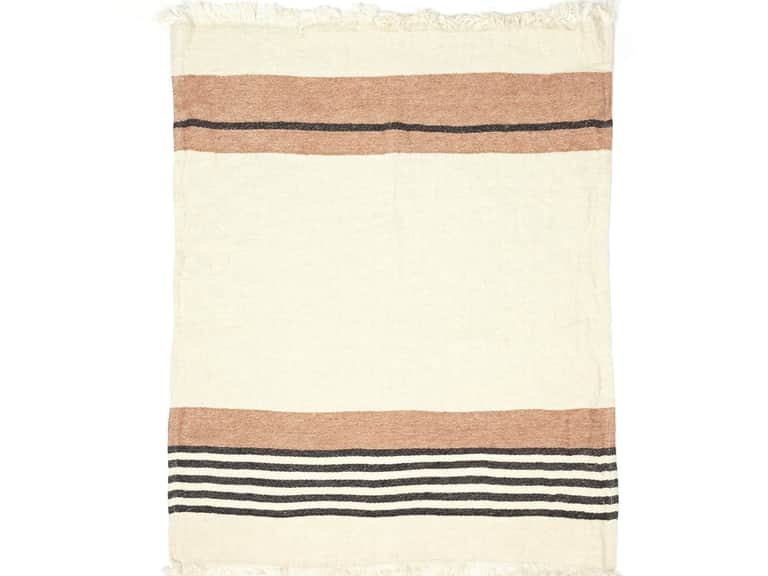
- Flat weave: A relatively smooth, compact surface without raised terry loops. Flat-woven towels are often lightweight and easy to fold. Depending on the fiber and density, they can work well for drying glassware or covering food, and they tend to take up less storage space.
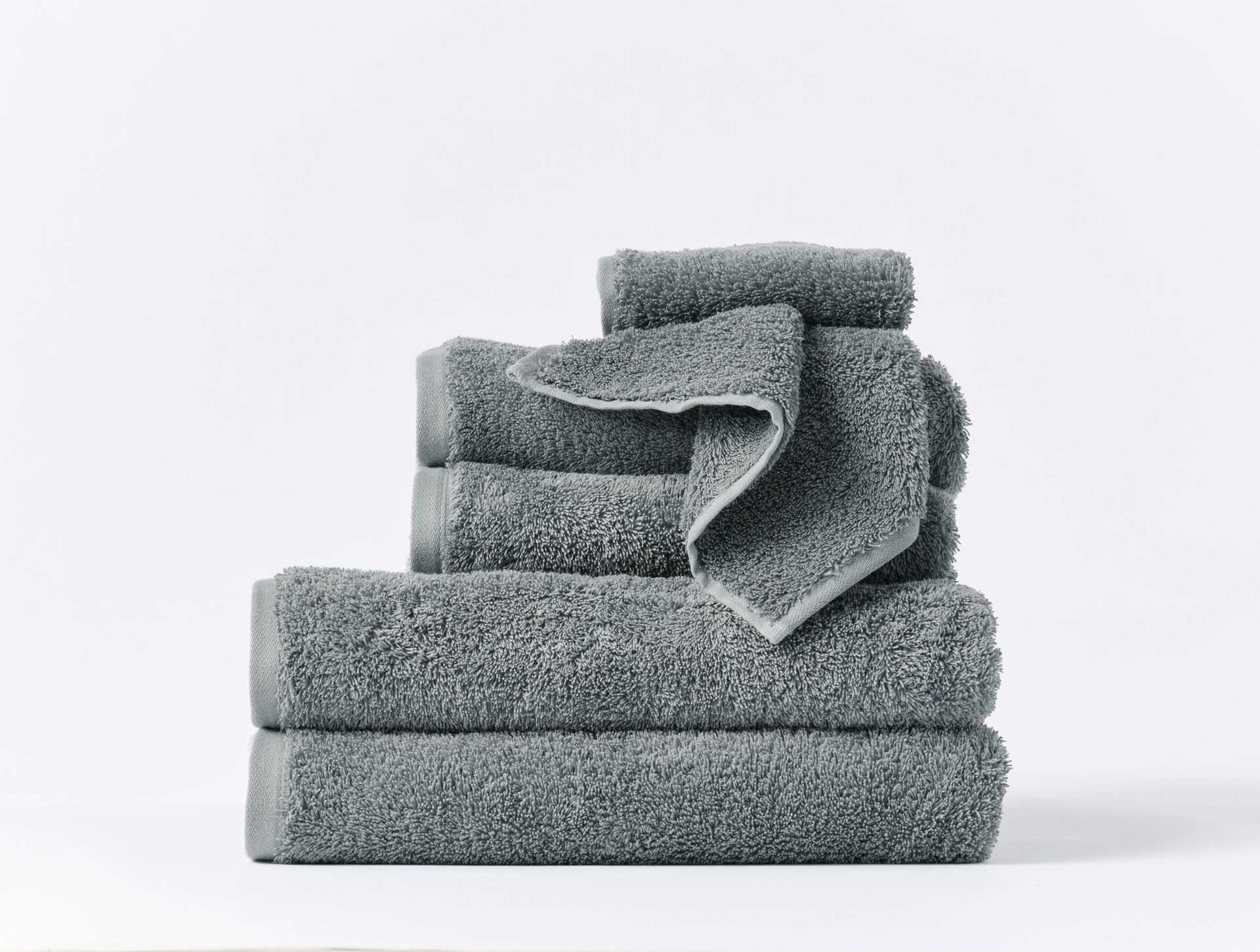
- Terry weave: Raised loops form a soft, three-dimensional surface. Those loops can hold water, making terry useful for hands and larger spills. They also create more texture and bulk, which may mean a longer drying time than a thin, smooth cloth.
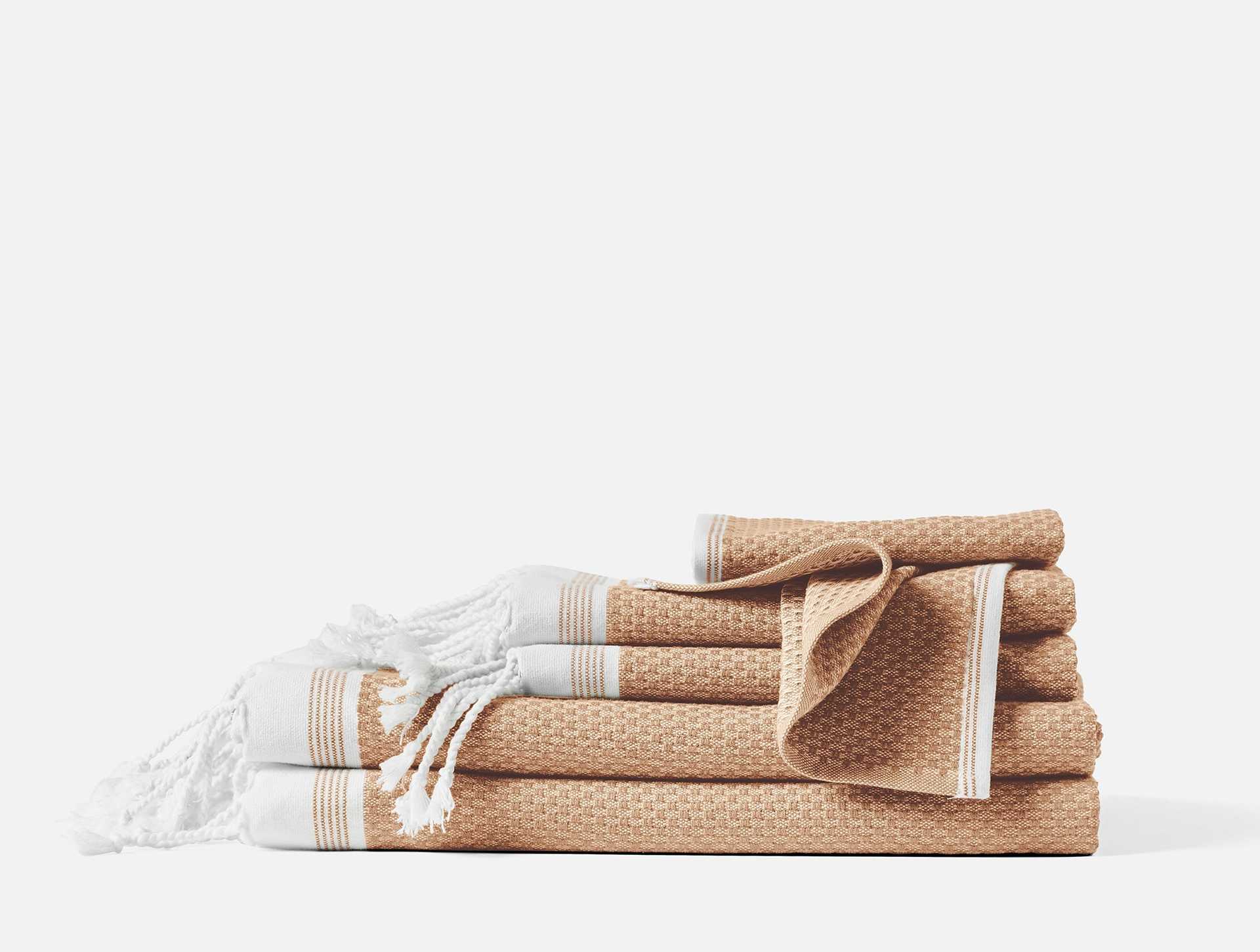
- Waffle weave: A grid of recessed squares and raised ridges gives this fabric a textured surface. Waffle towels are often lighter than plush terry alternatives, with air spaces that can help the cloth dry between uses. Their actual absorbency depends on fiber, weight and finishing.
- Twill: Diagonal ribs distinguish twill from a basic grid-like weave. The construction can produce a sturdy, flexible fabric. Kitchen towels made in twill may feel substantial without relying on terry loops.
- Jacquard or patterned weave: These terms describe more elaborate patterns woven into the fabric. The decorative effect does not, on its own, tell you how absorbent the towel is; inspect fiber, weight and texture as well.
When shopping, use the weave as a guide to feel and likely function—not as a substitute for checking the towel in hand or reading its care instructions. A thin flat weave can still be absorbent; a lofty towel can still disappoint if a finish or residue keeps water from entering the fibers.
Match the towel to the job
For glassware: choose a smooth, low-lint surface
Glasses and polished dishes reveal stray fibers and streaks. A tightly woven, smooth towel is often a practical option because it has fewer prominent loops to catch on delicate rims. Cotton and linen can both work, depending on the finish and how much lint the cloth releases. New towels may shed loose fibers at first, so washing them before use can help. Keep a dedicated cloth for glassware and launder it when it becomes visibly soiled or loses its clean feel.
Technique matters too. Let washed glasses drain briefly, then use a clean, dry towel rather than repeatedly rubbing with a damp one. If a cloth starts leaving lint, move it to a less visible task and use another for glassware.
For spills: prioritize absorbency and a manageable size
A towel used to blot a spill should be able to take up liquid without dragging it across a wider area. Looped terry and other textured constructions can be useful for this, while a larger cloth gives more clean surface to work with. Press and lift rather than scrubbing immediately, especially on a porous countertop or a spill that could spread.
Afterward, rinse the towel if the spill contains food residue and place it where it can dry fully. A cloth left bunched in a sink or on a counter stays wet longer and is more likely to develop an unpleasant smell. For raw meat, poultry or fish juices, avoid using the same towel for clean dishes or ready-to-eat food surfaces; wash contaminated textiles promptly and clean the surface appropriately.
For hands: keep a dependable, quick-to-reach rotation
Hand towels see frequent contact and may be damp much of the day. A medium-weight towel with enough texture to absorb water, but not so much bulk that it stays wet indefinitely, can be a sensible everyday choice. Hang it spread out rather than folded into a thick bundle. Replace it when it becomes damp, soiled or malodorous, and wash it regularly according to household use and the care label.
For wiping counters: use a cloth you can identify and wash separately
A towel for general counter cleanup is doing a different job from one reserved for drying clean dishes. A textured cotton cloth can handle routine wiping, while microfiber may suit some smooth surfaces when used as directed. Avoid moving a used counter cloth straight to a clean plate or glass. Simple separation—by color, hook or drawer—reduces the chance of crossing tasks without adding much effort.
For warm cookware: a towel is not an oven mitt
A dry towel can sometimes be used to hold a warm item briefly, but it is not a reliable replacement for a purpose-made oven mitt or potholder. A damp towel can transfer heat rapidly and cause a burn; a thin or bunched towel may not provide enough insulation. For hot pans, use equipment designed for heat protection, and keep kitchen towels away from flames and hot elements.
Absorbency is not the same as thickness
It is tempting to assume that the thickest towel must be the most absorbent. Thickness can contribute to capacity, but it is only one part of the equation. Fiber, yarn, loop structure, density and any finishing treatments can all influence how readily water moves into the cloth. A heavy towel may hold a lot once saturated, yet feel slower to dry after use. A lighter towel can be easier to wring out and quicker to hang dry, while still handling ordinary tasks well.
New towels may also need a few washes before they perform as expected. Manufacturing residues, lint or finishes can temporarily affect how water interacts with the surface. Wash according to the label and avoid adding more detergent than necessary. Fabric softener can leave a coating on some absorbent textiles, reducing their ability to take up water over time; check the product’s care guidance and use it cautiously if absorbency is a priority.
When comparing towels, think in terms of the whole routine: how much water the task involves, how quickly the cloth can dry afterward, how often it will be washed and where it will be stored. A towel that is easy to rotate and launder may be more useful than a thicker one that remains damp between uses.
Drying time is a kitchen feature
A towel’s performance is not finished when it leaves the sink. How quickly it dries affects how comfortable it is to use again and how easily the kitchen stays orderly. Thin, open or flat-woven constructions often have less material to dry than dense, bulky ones, though room humidity, airflow and the towel’s fiber also matter.
Give wet towels space. Spread them over a rail or hang them by a loop rather than leaving them folded over themselves in a damp pile. Keep them away from surfaces where they can remain in contact with standing water. If the kitchen is humid or a cloth is heavily wet, move it to a place with better air circulation.
A sour smell is a practical signal that a towel needs attention. Wash it rather than trying to cover the odor with fragrance, and make sure it dries completely afterward. If the smell persists, review detergent use, load size, washing temperature permitted by the care label, and the time the towel spends sitting wet before laundering.
A straightforward laundering routine
Kitchen towels do not need an elaborate maintenance ritual. They do benefit from consistent handling. Keep visibly dirty cloths apart from clean ones, and avoid leaving damp towels in a closed hamper for long periods. Wash items according to their labels, grouping colors as appropriate and using a detergent dose suited to the load and local water conditions.
- Pre-treat visible stains: Rinse food residue promptly and use a suitable stain treatment where needed. Check that the method is appropriate for the fabric and color.
- Do not overload the washer: Towels need room to move and rinse. A crowded load can make cleaning less effective and leave detergent behind.
- Use detergent thoughtfully: More is not always better. Excess detergent may be difficult to rinse away and can leave fabric feeling coated.
- Skip unnecessary softener: It can affect absorbency on some towels. Follow care-label directions and consider whether softness or water uptake matters more for that particular cloth.
- Dry thoroughly: Use the method allowed by the care instructions. Remove towels promptly and make sure they are fully dry before folding or storing.
Separate kitchen towels from heavily soiled laundry when practical, and give special attention to cloths used around raw foods. Cleaning is not a substitute for safe food handling, but clean textiles and sensible task separation help support it.
Care labels beat broad rules
General advice can help narrow a choice, but a towel’s own label should guide washing and drying. Temperature limits, bleach restrictions and drying recommendations vary by fiber, dye and finish. Linen may have different needs from cotton terry; microfiber may require different handling again. If the label is missing, use a conservative approach first: a mild wash, like colors together and a drying method that avoids unnecessary heat.
High heat can damage some fibers or finishes and may contribute to shrinkage, so do not assume every towel can be treated the same way. Chlorine bleach can harm some fabrics and colors. If whitening or stain removal is needed, check the care label and the product directions before applying anything. Never combine cleaning chemicals unless their labels explicitly say it is safe.
Care also includes knowing when a towel has reached the end of a particular job. A worn, rough cloth may still be useful for cleaning, but it may no longer be the best choice for polished glassware or clean dishes. Reassigning rather than discarding can extend useful life, provided the towel is still cleanable and in good condition.
Build a small, useful towel system
A kitchen does not need a drawer full of specialty linens. A simple system can cover most routines: keep one group for clean dishes and glassware, another for hands, and a separate set of cloths for counters and messes. Distinct colors or clearly different textures make the roles easy to recognize. Store clean towels away from used ones, and provide a place for damp cloths to dry before they go into the laundry.
For a household that cooks often, several towels in each role create room for regular changes without forcing a wash after every small task. In a less active kitchen, fewer may be enough. The point is to make the clean option convenient. If the right towel is difficult to find, the nearest one tends to become the towel for everything.
There is also a modest sustainability argument for choosing well-made, washable textiles and caring for them properly. Long use depends less on a dramatic claim than on ordinary habits: appropriate washing, thorough drying and assigning cloths to tasks they can handle. A lightweight towel that suits the routine may be used more consistently than an impressive but inconvenient one.
A quick decision checklist
- Drying glasses? Look for a smooth, low-lint cloth and wash it before first use.
- Blotting spills? Choose an absorbent towel with enough clean surface, then rinse and hang it open.
- Drying hands? Favor a comfortable, manageable weight and change it when damp or soiled.
- Wiping counters? Keep that cloth separate from towels used on clean dishes.
- Working near hot cookware? Use a purpose-made potholder or oven mitt, not a damp or thin towel.
- Unsure about care? Follow the specific label, especially for heat, bleach and fabric softener.
The right towel is the one that fits the routine
Fiber and weave give a kitchen towel its character, but the best choice is shaped by the work at hand. Smooth fabrics can be helpful around glass; loops and texture can take on water; lighter constructions may be easier to dry and store. None of those qualities matters in isolation. A towel must also be easy to wash, suited to the surface it touches and available when the task begins.
Think of kitchen towels as a small system rather than a single all-purpose answer. Choose a few different constructions, give each a clear role, and launder them with the care their labels recommend. The result is not a more complicated kitchen. It is a calmer one: fewer streaks on the glass, less time spent searching for a clean cloth and one less damp towel left to wonder about.