Linen care & table setting
Coyuchi Tablecloths: A Guide to Linen Texture, Fit, and Care
A tablecloth does more than cover a surface. Its weave shapes the way light falls across a table, its dimensions influence the ease of a meal, and its care routine determines whether it remains a familiar part of daily life. When considering Coyuchi tablecloths, start with the practical questions: what does the fabric feel like, how much drop suits your table, and what kind of upkeep fits your household?
The answers are useful whether you are setting a weeknight table or preparing for a long, leisurely gathering. Linen has a distinctive character, but the right choice depends on the room, the table’s proportions, and your expectations for wear.
Why linen changes the feel of a table
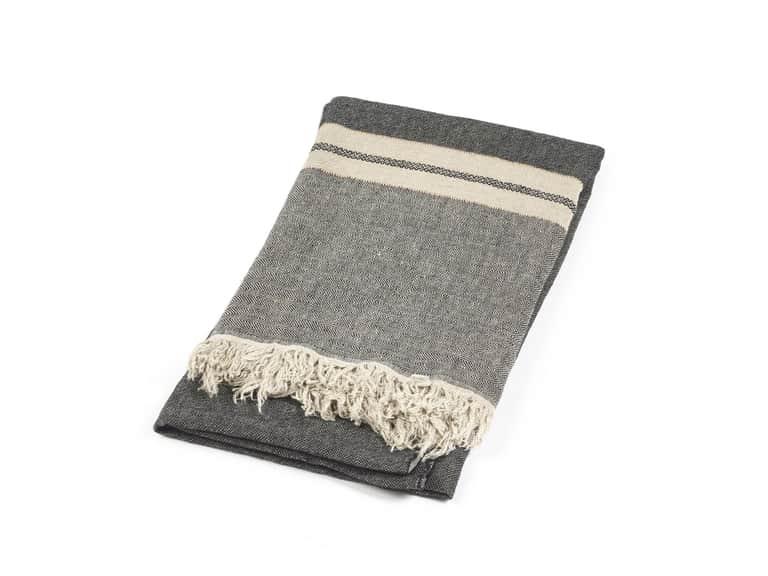
Linen brings a particular combination of structure and informality to a dining room. Woven from flax fibers, it often has a dry, tactile hand and a natural irregularity that distinguishes it from smoother, more uniform fabrics. Depending on the weave and finish, a linen tablecloth can look crisp and tailored or relaxed and softly rumpled. That variety is part of its appeal: it can lend a simple meal a sense of occasion without making the setting feel overly formal.
Texture is not merely decorative. It affects the way a cloth hangs from the table edge, how it feels beneath the hands, and how visible everyday creases appear. A more open or visibly textured weave tends to emphasize linen’s natural character. A smoother finish may read as more polished, particularly when the cloth is pressed. Neither is inherently better. The useful question is whether you prefer a surface that looks composed and even or one that feels easygoing and lived-in.
Natural variations in yarn and weave can create subtle differences across the cloth. These are not automatically signs of damage or poor quality; they may be part of the fabric’s appearance. At the same time, a tablecloth’s actual construction, fiber content, dimensions, and care label matter more than broad assumptions about linen. Check the product information for those details rather than relying on the word “linen” alone.
Color also affects perceived texture. Pale neutrals can reveal the weave and create an airy backdrop, while deeper shades make a stronger visual statement and may show lint or pale marks more readily. Stripes, checks, or other patterns can soften the appearance of small creases and provide a natural framework for dishes and serving pieces. For a flexible everyday choice, consider how a color works with your existing tableware, chairs, and room light—not only how it looks in a product photograph.
Read the fabric as a material, not a promise
Descriptions such as “soft,” “washed,” or “textured” offer clues, but they do not replace specifications. A washed finish commonly describes a treatment intended to give fabric a softer or more relaxed appearance; the precise result varies by maker and construction. A tighter weave may give a cloth a more defined surface, while a lighter or looser construction may drape with less weight. If exact fiber composition is important to you, confirm it in the item details and care instructions.
It is also useful to separate visual weight from physical weight. A generously textured cloth can look substantial without being especially heavy. Conversely, a compact weave may feel denser than its appearance suggests. Weight can influence how a cloth falls, how quickly it dries after laundering, and how much space it occupies in a linen cupboard. Yet heavier fabric is not automatically more durable or more suitable for every table. The best fit is the one that works with your routine and the look you want.
Linen is valued for its natural hand and ability to develop character through use, but individual results depend on the fabric and how it is laundered. Expecting every wash to restore a perfectly pressed, showroom-smooth surface may lead to unnecessary frustration. For many homes, a soft crease is part of the appeal. If a crisp finish is important for a formal dinner, plan to iron or steam the cloth and allow time for it to cool and dry before placing it on the table.
How to choose the right tablecloth size
Good tablecloth sizing begins with the tabletop, not the number of place settings. Measure the table’s length and width for a rectangular or square surface, or its diameter for a round one. Then decide on the desired drop: the distance the cloth hangs from the tabletop to its edge. Add twice that amount to each relevant tabletop measurement. For example, the cloth’s length should equal the table length plus two drops, and its width should equal the table width plus two drops.
A shorter drop generally suits everyday dining. It leaves chairs and legs more visible, can be easier to manage in a busy household, and is less likely to brush against laps. A moderate drop offers a balanced, classic appearance for many dining rooms. A longer drop creates a more formal effect, but it should not interfere with seating, movement, or access to the table. The same cloth can look quite different on two tables simply because their heights and surrounding spaces differ.
For round tables, measure across the widest point and add twice the intended drop. For square tables, check that the resulting cloth dimensions allow a consistent hang on all sides. For oval or unusually shaped tables, measure the longest and widest points and review the maker’s sizing guidance. A rectangular cloth on an oval surface can work as a deliberate style choice, but the corners will hang differently from the sides. A fitted or specially shaped option may create a more even outline.
Before buying, compare the finished cloth dimensions with your measurements rather than relying only on a size name such as “large” or “dining.” Product labels can differ between brands. If a cloth is close to the desired size, allow for the possibility that laundering may affect its dimensions; consult the care label or manufacturer’s guidance for expected shrinkage. When the table expands with leaves, measure it in both its regular and extended forms. A cloth sized for the everyday setup may not provide adequate coverage when extra guests arrive.
For a quick reference, use this process:
- Measure the tabletop at its longest and widest points, or measure the diameter of a round table.
- Choose a drop that allows comfortable seating and suits the occasion.
- Add twice the drop to each tabletop measurement.
- Check the finished dimensions and care details before making a selection.
- If the table extends, decide whether you need one cloth for both configurations or separate sizes.
Fit is part of the table setting
A tablecloth establishes the visual scale of a table before the plates are set. A short, even drop emphasizes the table’s silhouette and keeps the room feeling open. A longer fall can soften a hard-edged table and make a dining space feel more dressed. The right proportion depends on the table’s height, the chair seats, and how people move around it. Leave enough clearance for diners to sit and stand without catching the cloth with their knees.
Think about what happens during an ordinary meal, not only how the table looks when empty. A cloth that brushes the floor may be elegant in a formal room but inconvenient where children, pets, or frequent traffic are part of daily life. If serving dishes will be passed across the table, a smooth surface and secure, even placement can make the setting easier to use. The cloth should feel like a helpful foundation, not another thing to manage.
Layering can add depth, but proportion matters. A runner or placemats over linen can protect the central area and introduce contrast. If using multiple layers, make sure they sit flat and do not bunch where plates or serving pieces will rest. A textured cloth paired with highly patterned tableware may create visual competition; simple ceramics can let the fabric provide the interest. Conversely, a plain cloth can give patterned dishes a calmer background.
Everyday spills and practical protection
Table linens are made to be used, and a little preparation can make ordinary spills less stressful. Keep a clean cloth or paper towel nearby to blot a spill promptly. Avoid rubbing, which can spread liquid through the weave or push a mark deeper into the fibers. If a solid food spill occurs, lift away what you can gently before treating the remaining mark. The appropriate treatment depends on the substance, the fabric, and the care label.
Do not assume that a home remedy is safe for every linen. Strong bleach, harsh stain removers, high heat, and aggressive scrubbing can alter color or damage fibers. Test any suitable treatment on an inconspicuous area first when the care guidance permits it. For an important or delicate cloth, follow the manufacturer’s instructions or seek professional textile cleaning advice. Stains may become harder to remove after heat-setting, so check the fabric before ironing or tumble drying.
For regular meals, placemats can take on some of the work of protecting the cloth from plates, cutlery, and frequent contact. They are not a substitute for prompt attention to spills, but they can help define individual settings and reduce localized wear. A washable underlayer may also be useful if the table surface needs extra protection, provided it does not make the cloth slip or create an uneven surface.
A sensible care routine for linen tablecloths
Always begin with the specific care label. General linen advice is useful, but a finished product may include details—such as dye, embroidery, trim, or a particular treatment—that affect the safest washing method. If the label allows machine washing, use a suitable cycle and avoid overcrowding the drum. A cloth needs room to move through water and rinse properly. Wash similar colors together, especially when the fabric is new or richly colored.
Use a detergent appropriate to the textile and follow its dosing instructions. More detergent is not necessarily better; residue can make fabric feel less pleasant and may attract soil. Avoid chlorine bleach unless the manufacturer explicitly permits it. If the care label recommends a cool or moderate temperature, do not raise the temperature in the hope of improving stain removal. Temperature, agitation, and drying settings all affect fabric, so take the instructions as a complete care plan rather than selecting one detail in isolation.
After washing, remove the cloth promptly and smooth it by hand. This simple step can reduce deep creasing. Line drying is a gentle option when space and weather allow. If using a dryer, follow the care label and avoid over-drying; excessive heat can make wrinkles harder to release and may affect the fabric. A slightly damp cloth is often easier to press or steam than one that has dried completely into sharp folds.
For a relaxed finish, smooth the cloth while damp and let it dry flat or evenly draped. For a more formal look, use an iron or steamer suited to the care instructions. Keep the cloth moving and avoid leaving a hot iron in one place. Pressing details such as hems can help the tablecloth hang neatly, but the aim is a clean finish rather than forcing the fabric into an unnaturally rigid appearance.
Before storing, make sure the tablecloth is completely dry. Store it in a clean, dry place away from dampness and direct sunlight. Folding is practical, though long-term creases may settle into the fabric; refolding from time to time can vary where the folds fall. If you use the cloth often, storing it where it is easy to reach may encourage regular use and make it simpler to spot marks before they set.
Everyday care and special-occasion care
How often to wash a tablecloth depends on how it is used. A cloth used for daily meals may need laundering more often than one reserved for occasional gatherings. Visible soil, spills, food odors, or prolonged use are practical reasons to wash it. Between meals, shake off crumbs and check for spots rather than automatically laundering a lightly used cloth after every setting. This can help reduce unnecessary wear while keeping the textile fresh and ready.
For a special occasion, inspect the cloth well before guests arrive. A quick check for old marks, loose threads, or a persistent fold gives you time to address them without rushing. Launder it according to the care label, then press or steam if desired. Spread it across the table and make sure the drop is even before arranging dishes. Leaving enough time for the cloth to settle can reveal whether it needs a final adjustment.
When the gathering is over, deal with spills promptly and follow the appropriate care instructions. Avoid putting a stained cloth away for the next occasion simply because it appears dry. A mark that is easy to see under bright kitchen light may be less obvious in a cupboard and more difficult to treat later. Clean, fully dry storage is a small habit that makes a meaningful difference to readiness.
Common tablecloth sizing and care questions
What is a good drop length for everyday dining?
There is no single correct measurement. Choose a drop that looks balanced on your table and does not interfere with chairs or movement. A shorter drop is often convenient for regular meals; a longer one can create a more formal impression. Measure your table and consider the people who use it before choosing.
Will linen always look wrinkled?
Linen can crease, particularly after washing and folding. The degree depends on the fabric, finish, and care routine. Some people prefer its relaxed texture; others press it for a smoother appearance. Smoothing the cloth while damp and following the care label can help manage creases without treating every wrinkle as a flaw.
Can I use a linen tablecloth every day?
That depends on the specific cloth and its care instructions, but a tablecloth need not be kept only for celebrations. Consider how much maintenance you are comfortable with and whether placemats or a washable underlayer would suit your routine. A practical size and color can make regular use easier.
Should I buy a larger cloth to be safe?
Not necessarily. Extra length can create a graceful drop, but too much fabric may catch on chairs or become inconvenient. Work from your table measurements and preferred drop, then compare those figures with the cloth’s finished dimensions. Account for an extending table and any manufacturer guidance about laundering-related changes.
A considered choice lasts beyond one dinner
The appeal of Coyuchi tablecloths, like any linen tablecloth, is best judged through a combination of touch, fit, and real-life care. Fabric texture gives the table its character; accurate sizing makes the cloth comfortable to live with; and a thoughtful washing routine helps it stay ready for the next meal. These decisions are connected. A cloth chosen for a relaxed everyday setting may call for a different drop and finish than one intended for a formal dining room.
Before choosing, write down the table’s measurements, decide how much fabric you want to see below the edge, and review the product’s fiber and care details. Consider the kinds of meals you host, the colors already in the room, and whether you prefer a crisp finish or a naturally softened one. The most useful tablecloth is not simply the one that looks beautiful folded or photographed. It is the one that fits the table, suits the household, and can be cared for without turning every meal into a special operation.
With those basics settled, a linen tablecloth becomes more than a decorative layer. It can be part of an ordinary breakfast, a practical surface for a busy evening, or the quiet starting point for a gathering. The best table setting is one that makes room for both care and use—and leaves the cloth ready to return to the table.